The Smiling Coast of Africa: Where the Name Comes From
Gambia Vibes · Heritage · Identity
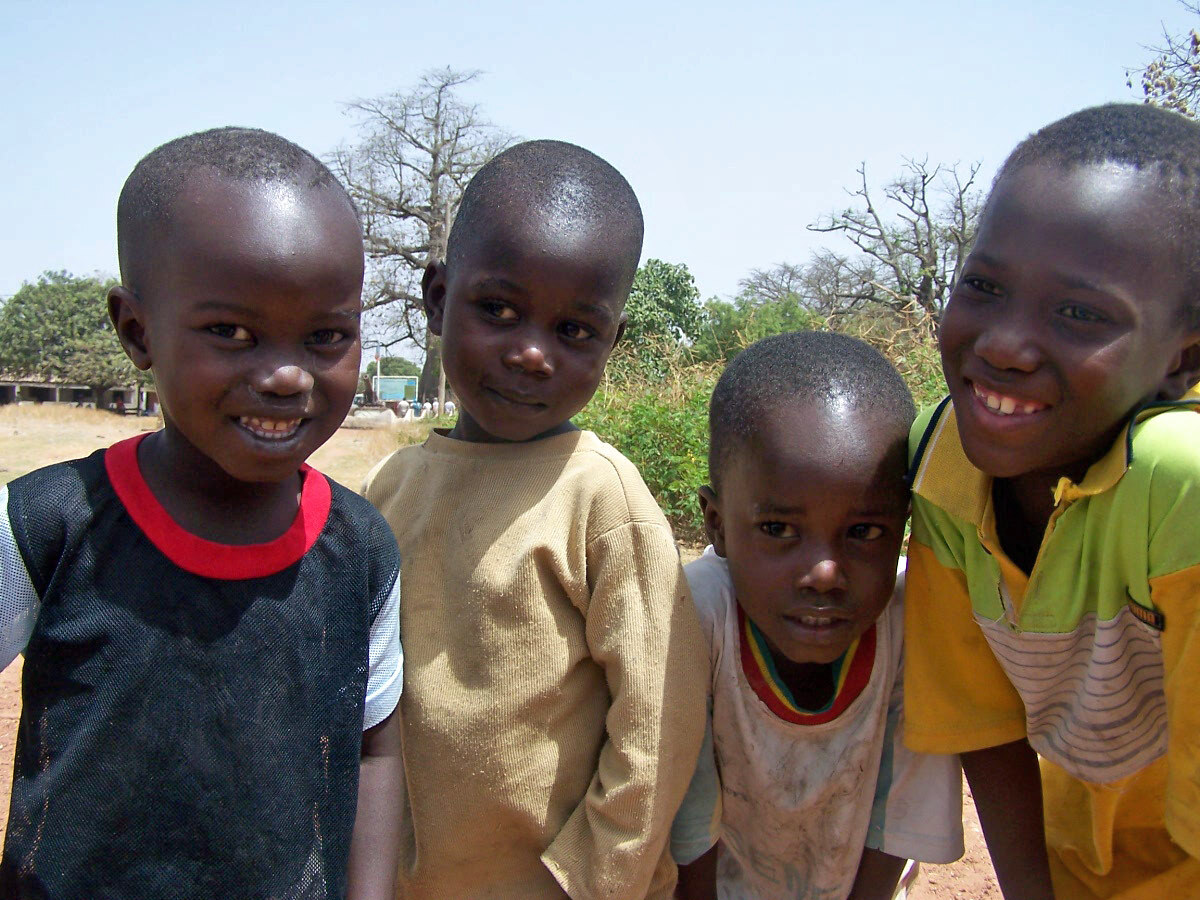
Every visitor hears it before landing: The Gambia, the Smiling Coast of Africa. It is on brochures, hotel signs, T-shirts and government websites. It is also one of the most successful nicknames any country has ever had. But where does it come from, and how true is it?
Search our Network. Start here.
At a glance
- The nickname: "The Smiling Coast of Africa", used for The Gambia since the early decades of tourism
- Tourism began: in 1965, when 300 Swedish tourists arrived on a trip organised by Bertil Harding with the tour operator Vingresor
- Growth: 300 visitors in 1965, 25,000 by 1976
- Biggest market today: the United Kingdom, with almost 33,000 arrivals in 2023
- Who coined it: no one knows for certain
It began with 300 Swedes
In 1965, the year of independence, a Swede named Bertil Harding brought a group of 300 Swedish tourists to The Gambia with the tour operator Vingresor. They came for winter sun, cheap and only a few hours' flight from Europe. The idea caught on. By 1976 there were 25,000 visitors a year. Hotels rose along the coast at Bakau, Fajara and Kotu, and tourism became, alongside groundnuts, one of the country's main earners.
Scandinavians led the way. Then came the British, who remain the biggest market today, followed by the Dutch, Germans, Belgians and, increasingly, Americans and visitors from the region.
So who coined "the Smiling Coast"?
Honestly: nobody can say for sure. We have not found a reliable record of who first used the phrase, or when. It grew up with the tourism trade, in tour operators' brochures and official promotion, and it stuck because it matched what visitors said when they came home: the people were friendly, the welcome was warm, and everyone seemed to smile.
Gambians themselves will often explain it with the word teranga, the Wolof word for hospitality that is also central to Senegal's identity, and with the Mandinka and Fula traditions of welcoming the stranger. That is not marketing. It is culture.
Where visitors come from (2023)
| Country | Arrivals |
|---|---|
| United Kingdom | 32,957 |
| Netherlands | 20,861 |
| United States | 11,266 |
| Spain | 10,087 |
| Senegal | 7,847 |
| Germany | 6,995 |
| Belgium | 6,337 |
| Nigeria | 5,638 |
| Sweden | 4,517 |
| France | 4,312 |
British arrivals have fallen from 60,424 in 2012, while American and Spanish arrivals have roughly doubled or tripled.
What is real behind the smile
- Greetings matter. Every encounter starts with a greeting, and the greeting is taken seriously. "Salaam aleikum", "Kasumai", "Nanga def": ask how someone is, and how their family is, before anything else.
- Strangers are guests. In villages you may be invited to share a bowl of benachin or domoda with people you met an hour ago.
- Peace between peoples. Mandinka, Fula, Wolof, Jola, Serahule and others live mixed together, and joking relationships between ethnic groups, called sanawuya, turn old rivalries into teasing.
- Religious tolerance. A Muslim majority and a Christian minority celebrate each other's festivals.
And what the smile hides
A nickname can also be a mask. For 22 years under Yahya Jammeh, the Smiling Coast was a place of fear, disappearances and torture, which the tourists on the beach mostly never saw. Today it is a country with high youth unemployment, where many young men see tourists as their only opportunity, and many risk the "back way" across the desert and the sea to Europe. Some smiles on the beach are business: the bumster's "hello my friend" is a sales pitch.
None of that cancels the real warmth. It means the smile deserves to be met with respect, fair prices and honest curiosity, not just a holiday photo. Read Gambia travel advice and The Gambia: the country that voted out a dictator.
Ghana says "Akwaaba"
Ghana has its own version of this: "Akwaaba", welcome, and its reputation as the friendliest country in West Africa. Both countries sell hospitality, and both have it for real. Both also know the gap between the brochure and daily life. See the biggest lies influencers tell about Ghana.
Meet the Smiling Coast beyond the beach. Village visits, river trips and cultural tours are run by local operators in The Gambia. Entrance fees are already included in the tour price. Tips for your guide, driver and boat crew are not included, but they are always welcome.
More from The Gambia
- The Gambian coast: Bakau to Kartong
- Independence 1965 and the Senegambia Confederation
- Tipping in The Gambia
- Best time to visit
- The Gambia tourist information
Across the network
Sources: Tourism in The Gambia: 1965 origins, arrivals 2012 and 2023. GRTS, "Tourism came to us, we didn't go find it". AccessGambia, tourism history.
Gambia Vibes · Part of the Ghana-Net network · Updated and fact-checked: 6 November 2026